

















Llopis
Llopis belongs to the generation of painters who learned the craft when craft was everything: drawing, perspective, composition, hours at the easel. Today, retired from everything except painting, he works with Cuadros Sils from a privileged position: that of someone who has mastered tradition so thoroughly that he can afford to break it.
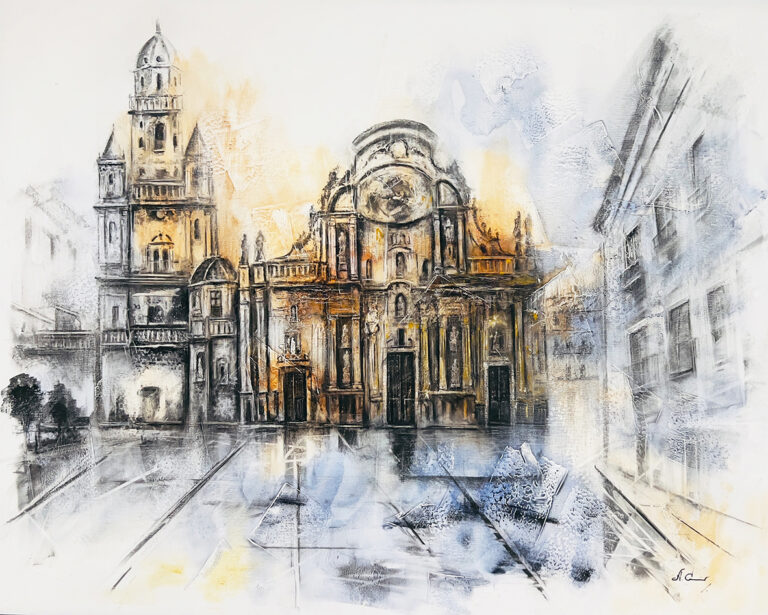
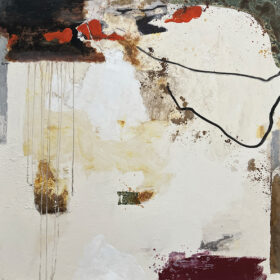
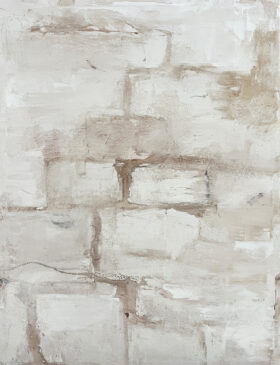
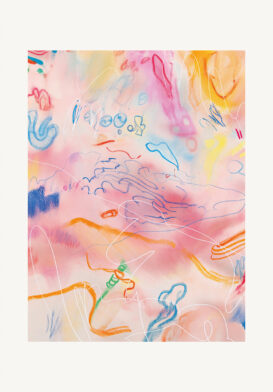
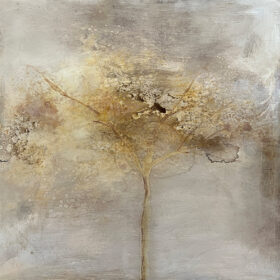
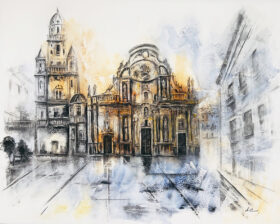
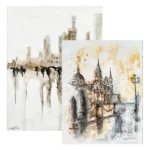
Much of his recent work looks to the great architecture of Spain: cathedrals, monumental doorways, squares and corners with centuries of history. But Llopis does not document; he reinterprets. Over an architectural drawing of almost academic precision – towers, arcades, street lamps, chains receding into perspective – he lets the paint do the opposite of what the monument expects: patches of colour that invade the stone, splashes of rust, glazes that dissolve the buildings into atmospheres of white, old gold, pink or violet. The result is a deliberate clash between the eternal and the ephemeral, between the rigour of the line and the freedom of the painted mark.
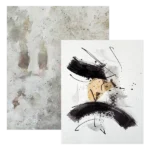
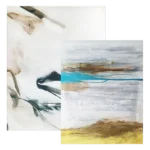
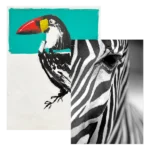
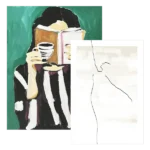
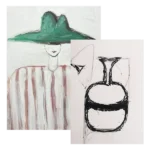
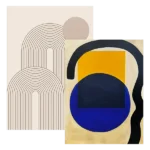
That is his transgression: treating any subject, however classical, as living matter. His monuments seem to be memories and visions at once – instantly recognisable, yet wrapped in a light that never existed – and that same restless eye keeps leading him into new territory: his output for Cuadros Sils is still growing and is not confined to any set subject.
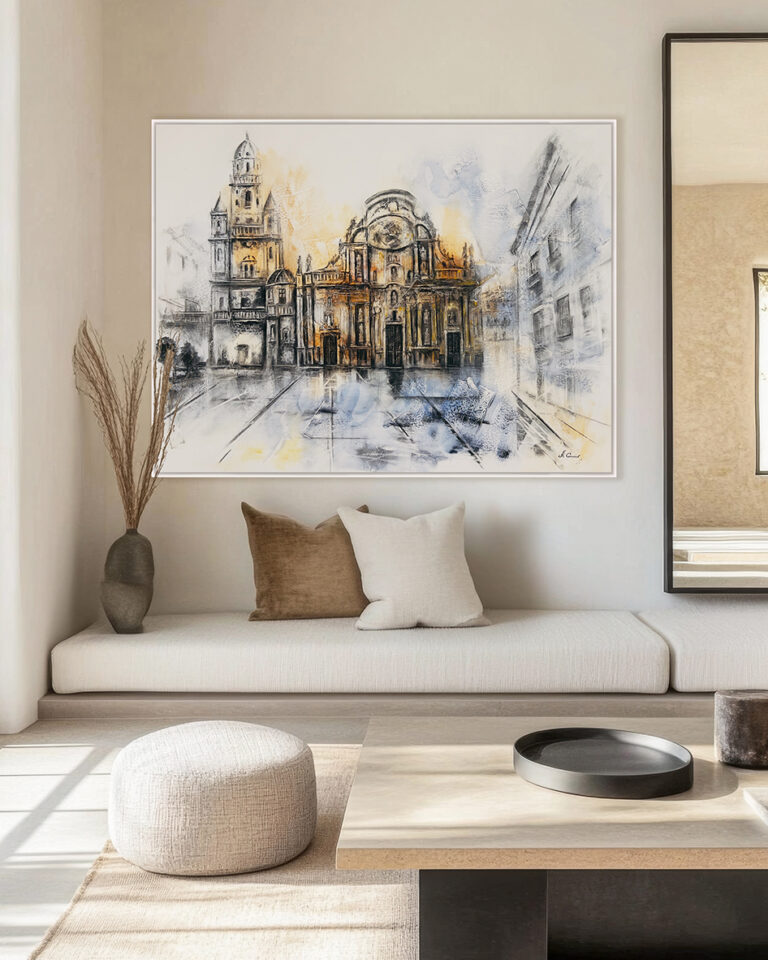
In an interior design project, Llopis's work brings something rare: content. A hotel lobby, a study or a home gains a cultural anchor point, delivered with an elegance of colour that blends in without jarring.
Llopis is clear about it: tradition is not preserved by repeating it, but by daring to take it on.